Engineering
Precision-crafted components built for exceptional performance.
Master the art of stuffed pasta making
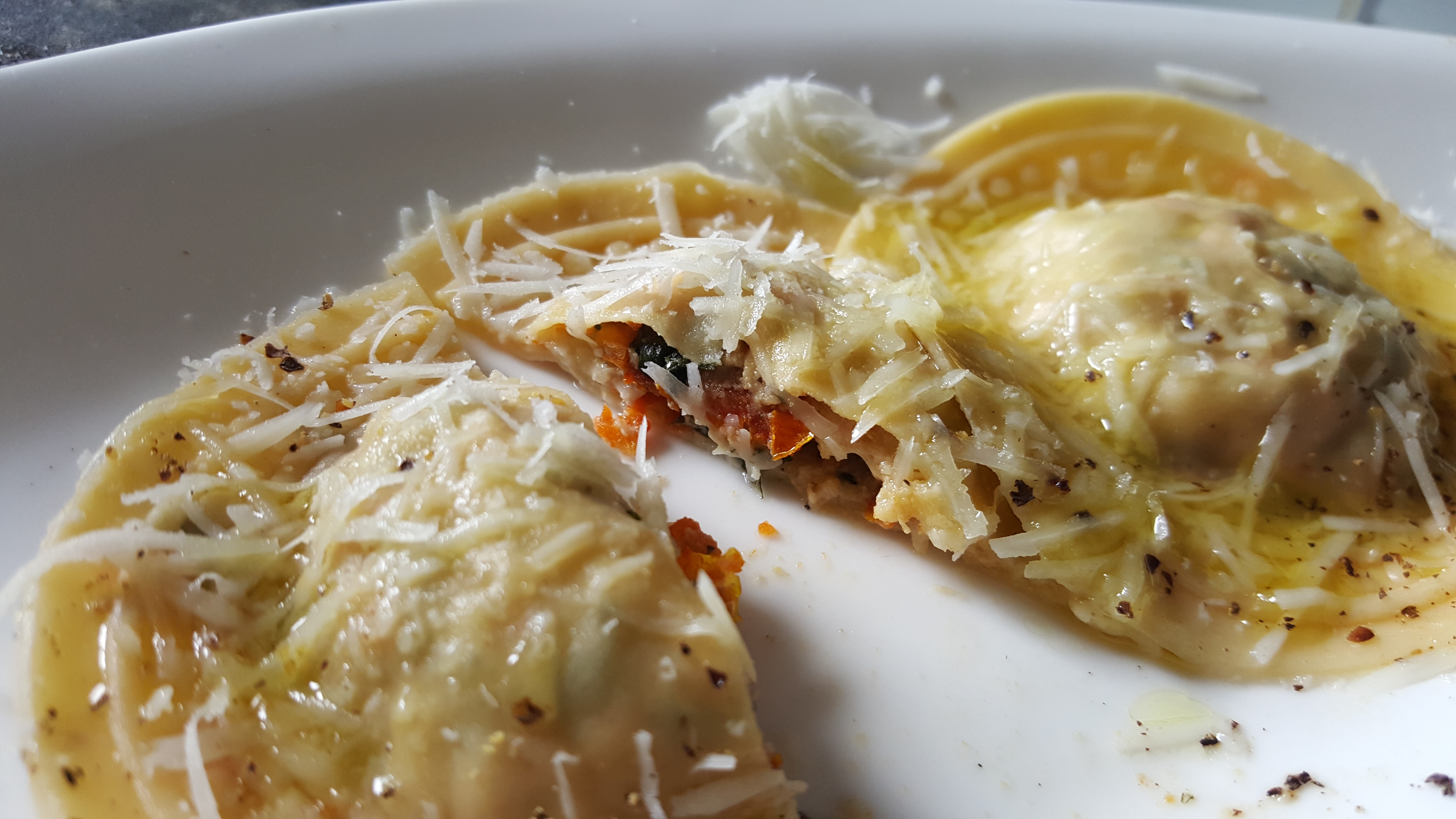
Learn the intricate techniques for creating perfect ravioli and tortellini. These stuffed pasta shapes represent the pinnacle of Italian pasta craftsmanship, requiring precision, patience, and an understanding of balance between pasta and filling.
Mastering these techniques will elevate your pasta making to professional levels, allowing you to create restaurant-quality stuffed pasta in your own kitchen.
Roll out fresh pasta dough to about 1mm thickness. You'll need two sheets of equal size. Keep them well-floured and covered with a damp cloth to prevent drying.
Prepare your filling and portion it into small mounds (about 1 teaspoon each) spaced evenly across one pasta sheet. Leave adequate space between portions for sealing.
Brush water around each filling portion, then carefully place the second pasta sheet on top. Press around each filling to seal, removing air bubbles. Use a ravioli cutter or knife to cut individual squares.
Use a fork or your fingers to crimp the edges of each ravioli, ensuring a tight seal. This prevents filling from leaking during cooking and creates an attractive finish.
Cut your pasta sheet into small squares (about 4cm x 4cm). Work quickly to prevent the pasta from drying out, keeping unused squares covered.
Place a small amount of filling (about 1/2 teaspoon) in the center of each square. Be careful not to overfill, as this will make folding difficult.
Fold the square diagonally to create a triangle, pressing the edges to seal. Make sure to remove any air bubbles around the filling.
Wrap the triangle around your finger, overlapping the two pointed ends. Press firmly to seal the final shape. The classic tortellini should resemble a small ring or navel.
Precision-crafted components built for exceptional performance.
ABEC-rated bearings and tight tolerances deliver clean, repeatable cuts.
Hand-finished details and premium materials ensure lasting durability.