Engineering
Precision-crafted components built for exceptional performance.
Master the foundation of all great pasta
Learn the essential techniques for creating perfect pasta dough, the foundation upon which all great pasta dishes are built. Understanding dough consistency, texture, and the delicate balance of ingredients is crucial for achieving professional-quality results.
Mastering pasta dough will give you the confidence to create any pasta shape and the knowledge to troubleshoot common issues that arise during the dough-making process.
Use a kitchen scale to measure flour (100g per person) and eggs (1 large egg per 100g flour). The classic ratio is 100g flour to 1 egg, but adjust based on egg size and flour type. Precision is key to consistent results.
Mound the flour on a clean work surface and create a deep well in the center. Crack the eggs into the well and add a pinch of salt. The well prevents the eggs from running off the surface during mixing.
Using a fork, gradually incorporate flour from the edges into the eggs, working in a circular motion. Continue until the mixture becomes too thick for the fork, then switch to your hands. Work slowly to prevent lumps.
Knead the dough for 8-10 minutes until it becomes smooth, elastic, and springs back when pressed. The dough should feel firm but not dry. If too sticky, add flour; if too dry, add water drop by drop.
For firmer pasta like orecchiette or cavatelli, use semolina flour with water instead of eggs. Mix 200g semolina with 100ml warm water and a pinch of salt. This creates a denser, more durable dough.
Blanch spinach, squeeze dry, and puree. Replace 20% of the egg with spinach puree. This adds color and subtle flavor while maintaining the dough's workability. Perfect for ravioli and stuffed pasta.
Add 1 teaspoon squid ink per 200g flour to create dramatic black pasta. Mix the ink with the eggs before adding to flour. This creates striking visual contrast and pairs beautifully with seafood.
Wrap dough in plastic and rest at room temperature for 30 minutes before rolling. This relaxes the gluten and makes rolling easier. Dough can be refrigerated for 2 days or frozen for 1 month.
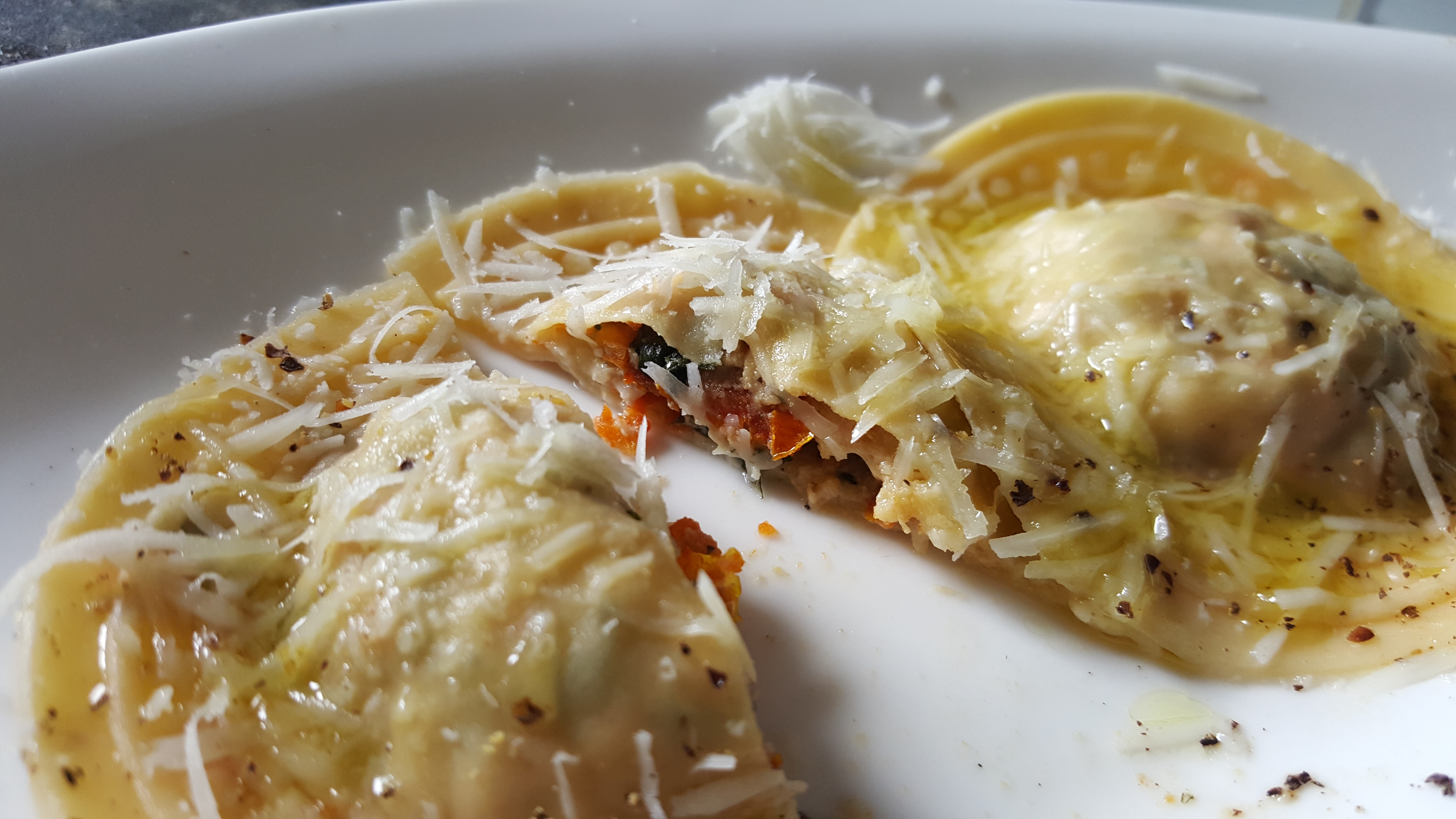
Precision-crafted components built for exceptional performance.
ABEC-rated bearings and tight tolerances deliver clean, repeatable cuts.
Hand-finished details and premium materials ensure lasting durability.